A Journey to Doonka – A Village of Resilience and Hope
 HIJRA
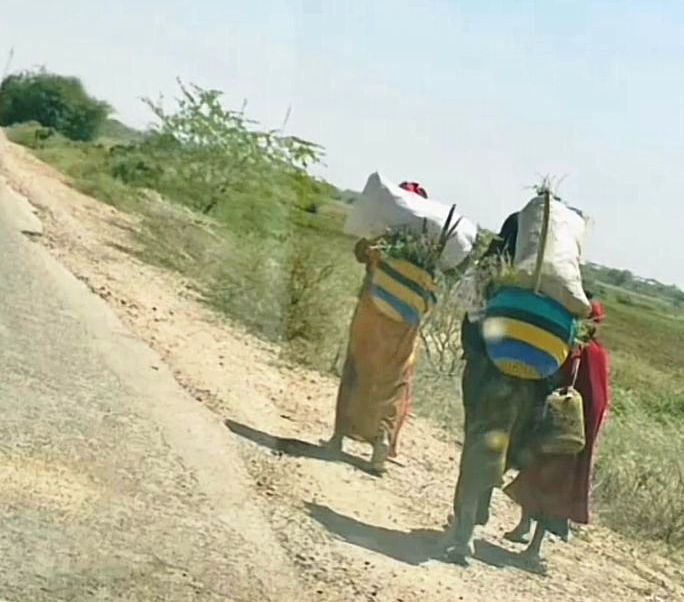
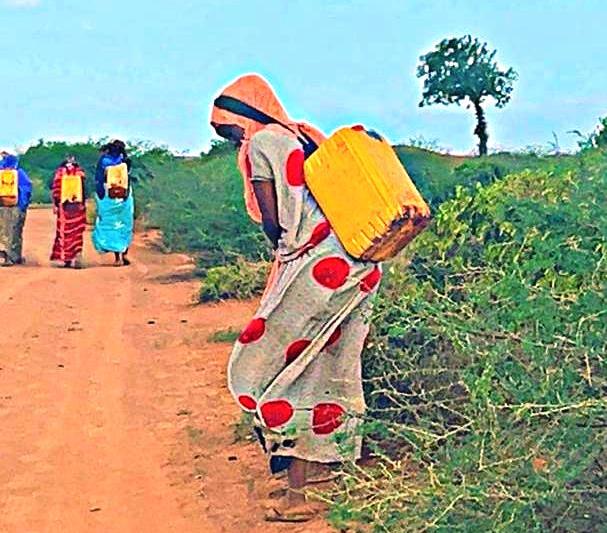
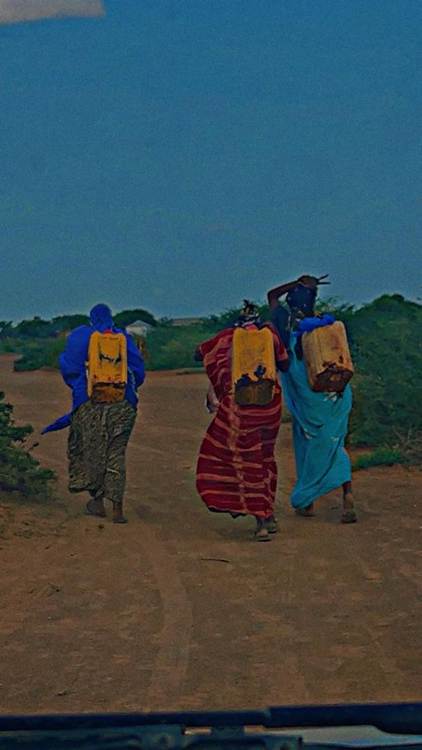
HIJRAThe road to Wanlawein district of Lower Shabelle region was rough, every bump and pothole shaking the vehicle as we moved forward. Along the way, a long line of donkey carts stretched ahead, each one piled high with farm residue, their drivers guiding them patiently under the sun. Women and girls walked alongside the road, their shoulders bent under the weight of heavy loads – fruits, vegetables, anything they could carry to sell in the district. Their strength was undeniable, their determination astounding, yet my heart ached at the sight of their struggle.
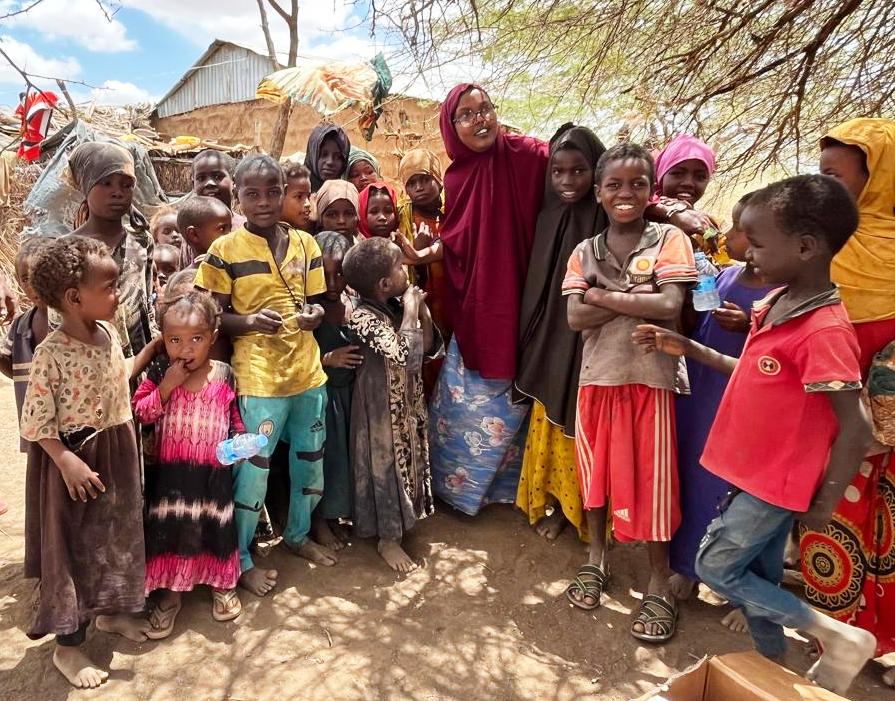
As we neared Doonka village – our intended destination – the landscape shifted. The village revealed itself – humble homes built from dung-plastered sticks, roofs of rusted iron sheets barely holding on. A few traditional huts stood in the distance, whispering of a way of life that had endured for generations. The village breathed with life – chickens pecking at the dirt, goats wandering freely, cows and donkeys meandering through narrow paths. And above it all, the sweet, hopeful songs of birds in the trees welcomed me, as if nature itself was offering a small comfort in this place of hardship.
That morning, before the journey began, my phone had buzzed – our driver calling, then hanging up before I could answer. A familiar habit, a small attempt to save precious airtime. When I called back, his voice was warm but urgent. “We leave soon,” he reminded me. Doonka village was waiting for us – my first time in this area.
And what a waiting village it was. A place where survival was a daily battle. Most families here were agro-pastoralists, trapped in a relentless cycle of labor – backbreaking work for little reward. Some were lucky, the better-off farmers who could provide for their families. But so many others lived on the edge, their children’s bellies never quite full. Women, strong yet burdened, carried not just the weight of their loads but the weight of entire households on their shoulders.
It broke my heart to see the children – barefoot, their clothes tattered, their eyes still bright with innocence. How could we speak to their mothers about saving money, about self-help groups, when every day was a fight just to feed them? The injustice of it all weighed heavily on me. Yet, amid the hardship, there was hope.
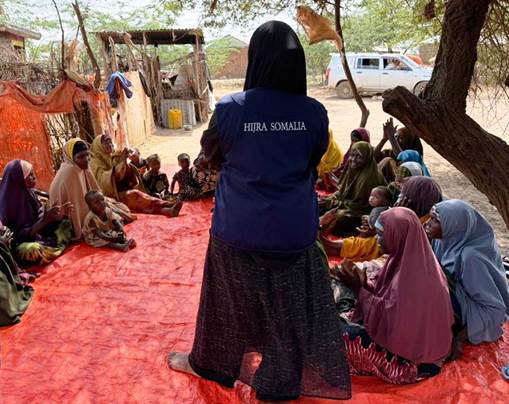
The women of Doonka – oh, their spirit was unbreakable. When we spoke of forming self-help groups, their faces lit up with possibility. They listened eagerly, hungry not just for food, but for change. They wanted to learn, to grow, to carve out a better future for their families. Their courage humbled me.
Doonka village of Wanlawein district had been forgotten for so long, overlooked by aid workers, left to fend for itself. But now, with HIJRA and CONCERN World Wide stepping in, there was a flicker of light. A chance for these women to come together, to save, to lift each other up.
As I left the village that evening, the wonderful chorus of birdsong, the slow, steady grazing of livestock, and the determined work of the villagers stood as a evidence to their enduring resilience. Though the obstacles ahead are still significant, the establishment of community-led self-help groups (SHG) has brought a renewed sense of solidarity and shared purpose. For the first time in years, the journey toward progress no longer seems like a lonely path they must walk alone.
This marks the beginning of a crucial opportunity – a chance for collaboration, empowerment, and steadfast dedication to gradually replace hardship with hope.
A Field blog by a HIJRA Livelihood Officer